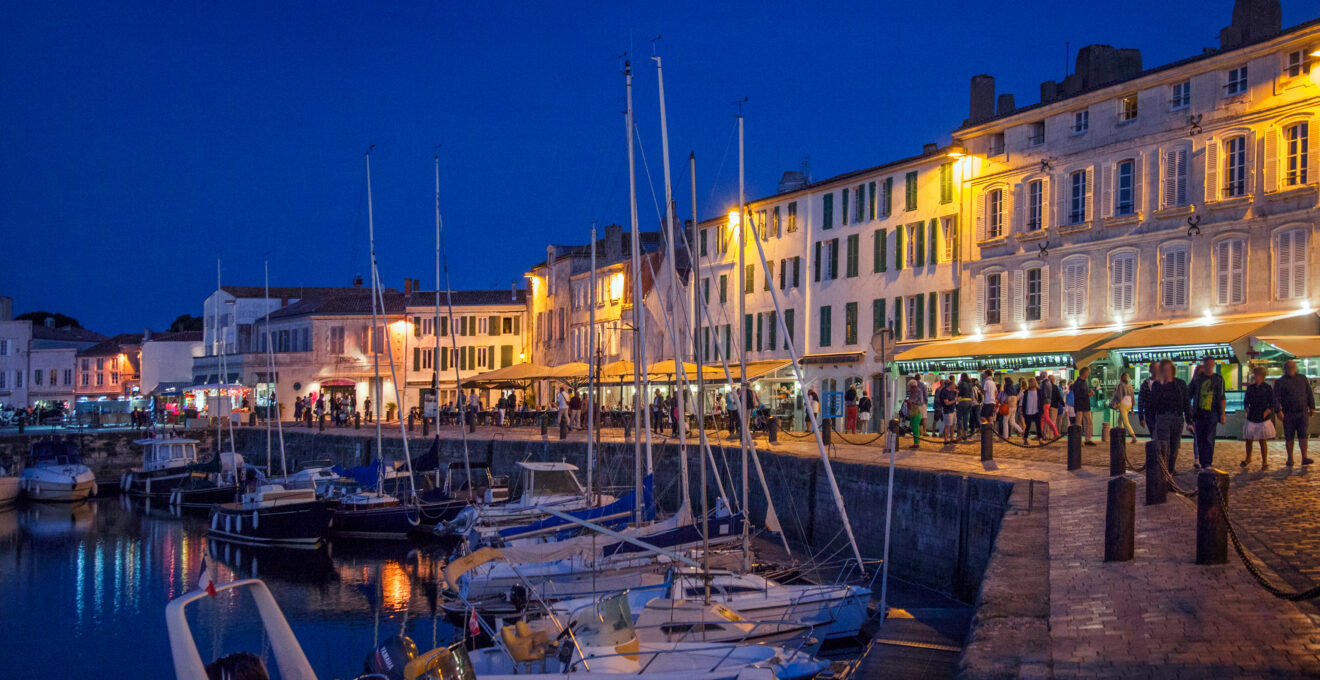
Stretching 30 kilometres along France’s Atlantic coast, Île de Ré has quietly become one of Europe’s most coveted island escapes. The numbers tell the story: this sliver of land sees its permanent population of approximately 17,650 residents swell to around 220,000 during peak summer months—a ratio of nearly 1 to 12 that few destinations can match. Yet unlike many overcrowded hotspots, the island has retained an authenticity that keeps families, couples and multi-generational groups returning year after year. What makes this particular French island worthy of such devotion?
Île de Ré in a nutshell: what captivates visitors
- 138 kilometres of dedicated car-free cycling routes connecting all 10 villages
- Pristine Atlantic beaches ranging from family-friendly calm bays to surf-ready stretches
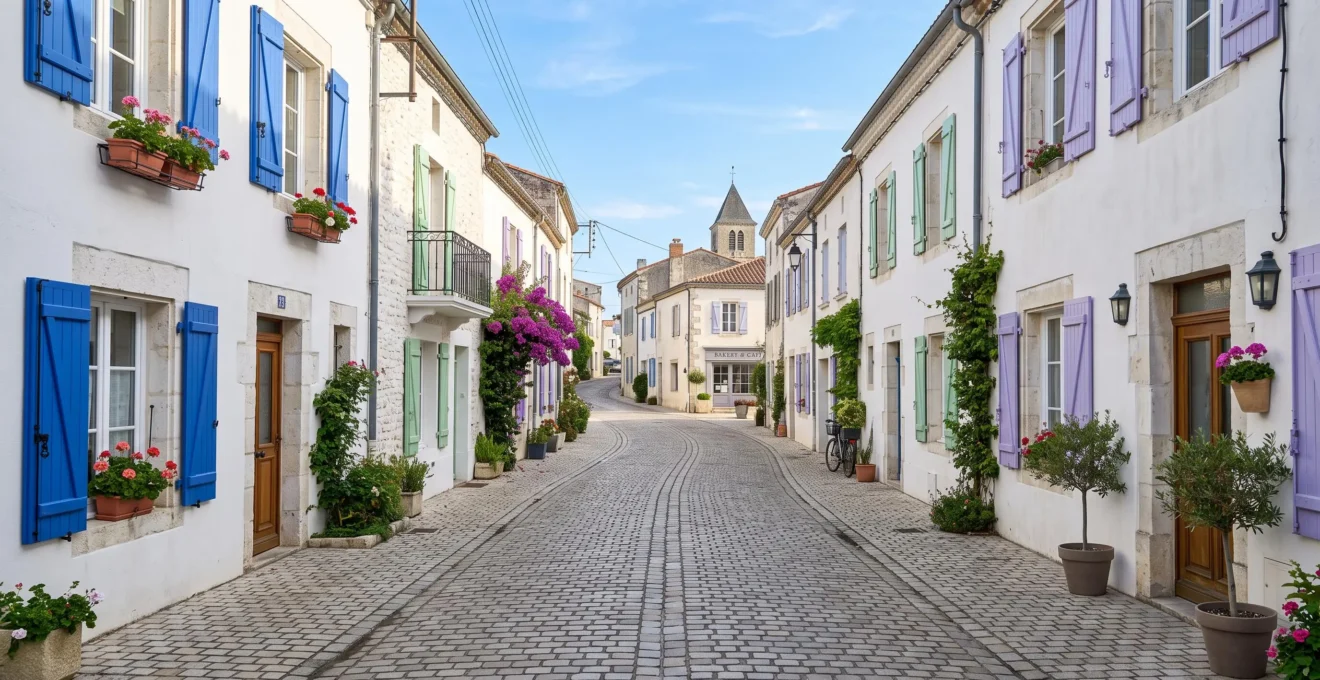
- Distinctive architecture: whitewashed houses with signature green or blue shutters
- Authentic island markets and a living heritage of salt production
- Luxury villa accommodation offering space and privacy for groups of 8-14
The island’s enduring appeal rests on a balance rarely achieved in European coastal tourism: genuine accessibility without sacrificing authenticity. Connected to La Rochelle by a 3-kilometre bridge since 1988, Île de Ré welcomes visitors without the logistical complexity of ferry schedules or seasonal flight availability that constrains more remote islands. Yet this ease of access hasn’t triggered the overdevelopment that plagues so many mainland coastal towns.
The transformation becomes visible the moment you cross the bridge toll plaza. Traffic slows, cycling infrastructure dominates, and the architectural regulations preserving the island’s whitewashed aesthetic create immediate visual coherence. This guide explores what makes this 30-kilometre island worth the journey, the natural and cultural attractions that justify its premium pricing, and the practical realities that determine whether your visit delivers authentic French coastal living or merely expensive crowds.
What makes Île de Ré different from other French islands?
Where Corsica overwhelms with dramatic mountain ranges and the Mediterranean islands seduce with turquoise coves, Île de Ré charms through understated elegance. The island’s character unfolds gradually: flat horizons punctuated by church bell towers, marshlands glinting pink at sunset, and villages where the loudest sound is often bicycle wheels on cobblestones. This is not a destination that announces itself with fanfare.
Connected to the mainland near La Rochelle by a bridge since 1988, the island measures just 30 kilometres in length, as official tourism data from Destination Île de Ré confirms. That modest scale proves to be an advantage: you can traverse the entire island in an afternoon, yet each of the 10 communes maintains a distinct personality. The geography stays predominantly flat, which transforms cycling from recreational activity into the most practical way to navigate daily life.
Unlike crowded Mediterranean resorts or rugged Atlantic outposts, Île de Ré combines accessibility (connected by bridge to La Rochelle) with preserved authenticity. The island’s whitewashed houses and green shutters create architectural unity across all villages, while its car-free cycling infrastructure and working salt marshes maintain an identity rooted in tradition rather than mass tourism.
The architectural signature becomes immediately recognizable: low-slung houses painted brilliant white with shutters in shades of green, blue or grey. This wasn’t always mandated aesthetics. The tradition emerged from practical concerns—whitewash reflected heat and protected against salt air—but evolved into a defining visual identity.
The natural attractions that draw visitors back year after year
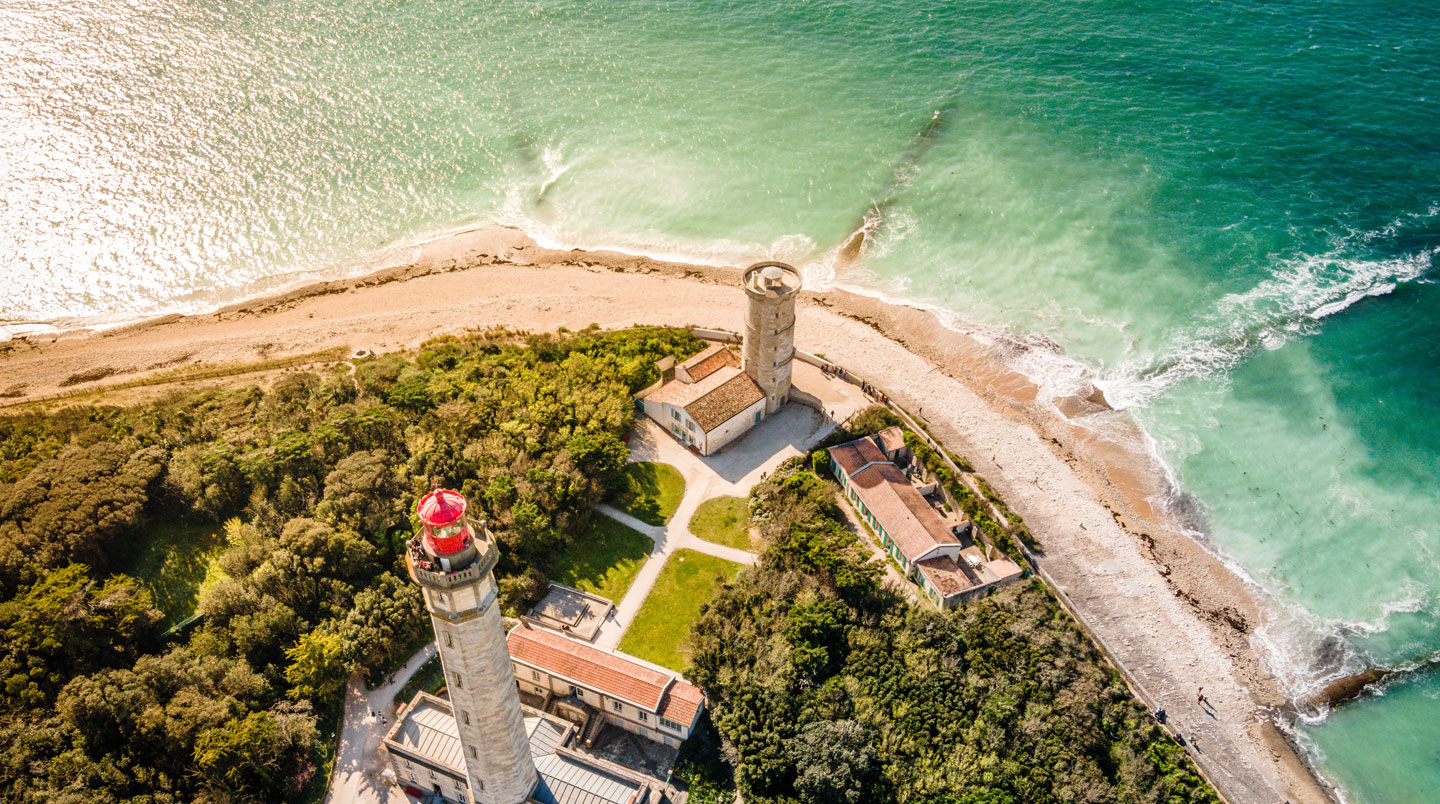
Most first-time visitors make the same mistake: they head straight to Plage de la Conche des Baleines on the northwestern tip, lured by its reputation for fine sand and dramatic lighthouse. They arrive at 11am on an August morning to discover the car park full and beach umbrellas planted shoulder-to-shoulder. Yet this crowding stems from poor timing rather than inherent flaws. Locals know to claim this same beach before 8am, when the sand lies pristine, or to explore the island’s southern shores where families find calm, shallow waters even in peak season. The reality of visiting Île de Ré’s natural attractions rewards those with better timing and local knowledge.
The island’s 30-kilometre coastline offers far more variety than generic “best beaches” lists suggest. Families with young children gravitate toward the southern shores near Rivedoux-Plage and Le Bois-Plage-en-Ré, where shallow waters and gentle slopes create natural paddling pools. Surfers and kitesurfers seek the exposed northwestern beaches where Atlantic swells provide consistent action from September through May. What the postcards rarely show: many of the island’s most memorable beach moments happen at the margins—early morning dog walkers claiming Conche des Baleines before crowds arrive, or late afternoon tide pools teeming with crabs near Ars-en-Ré.
The network comprises 138 kilometres of dedicated cycle paths, weaving through marshlands, along coastlines, and connecting every village without forcing riders to share space with vehicles. Families discover that children as young as five can navigate independently, freed from the constant vigilance required on mixed-traffic routes. The island earned the “Accueil Vélo” certification, guaranteeing that accommodations and services meet specific standards for cyclist needs: secure bike storage, repair kits, and route information. Rental shops cluster near the bridge entrance and in every major village, offering everything from basic city bikes to electric-assist models.
The checkerboard pattern of salt marshes spreading across the island’s interior represents working landscape where salt workers still harvest hand-harvested fleur de sel using methods unchanged for centuries between May and September. The Réserve Naturelle de Lilleau des Niges near Ars-en-Ré opens to visitors via carefully maintained footpaths and observation hides, where flamingos appear regularly during spring and autumn passage.
Villages, markets and authentic island culture
Saint-Martin-de-Ré commands the attention with its UNESCO-listed fortifications and photogenic harbor lined with seafood restaurants. Travel guides reliably steer visitors there, and for good reason—the citadel represents remarkable military architecture. But locals will tell you that La Flotte, four kilometres east, hosts the island’s most authentic market experience. The Wednesday morning market there operates year-round, unlike tourist-focused markets that shutter when the crowds depart in September.
220,000
Peak summer population on Île de Ré, compared to just 17,650 permanent residents—a ratio of nearly 1 to 12 that transforms the island’s character from June through August
Each village cultivates distinct character despite the shared architectural language. Ars-en-Ré, on the northwestern tip, remains quieter even in August, its black-and-white painted church steeple serving as a navigation landmark for sailors since the 15th century. Rivedoux-Plage, closest to the bridge, functions as the island’s de facto entry point and maintains a more commercial atmosphere. Le Bois-Plage-en-Ré balances family-friendly beaches with a compact village center where bakeries still sell out of fresh croissants by 9am.
Matching your villa base to your holiday priorities
Villa location significantly shapes your island experience. Young families prioritizing beach proximity should focus on Rivedoux-Plage or Le Bois-Plage-en-Ré, where gentle southern shores lie within easy cycling distance. Culture-focused travelers gain most from Saint-Martin-de-Ré or La Flotte positioning, placing markets, galleries and restaurants at your doorstep. Privacy seekers benefit from the quieter northwestern villages like Saint-Clément-des-Baleines, where visitor density drops noticeably even in peak weeks. Multi-generational groups often prefer La Flotte’s central location, which balances access to both coasts while keeping cycling distances manageable for elderly or very young family members.
The island’s gastronomic identity revolves around two pillars: oysters and salt. Oyster farms cluster along the eastern shore, where you can buy directly from producers at prices that make restaurant mark-ups painful to contemplate. The aforementioned fleur de sel appears in every souvenir shop, but quality varies—look for the “Île de Ré” appellation label to ensure authenticity. Local restaurants showcase these ingredients in preparations ranging from traditional (oysters with shallot vinegar) to contemporary (oysters with sake granita), though the former generally delivers more satisfaction.
Planning your Île de Ré escape: timing and accommodation
The figures from the INSEE statistical office paint a stark picture: approximately 17,650 permanent residents host roughly 220,000 people during the peak summer period—a transformation that fundamentally alters the island’s infrastructure, pricing and atmosphere. Understanding this ratio proves essential to planning a visit that matches your expectations.
- Guaranteed sunshine with sea temperatures reaching 20-22°C
- Every restaurant, shop and facility operating at full capacity
- Vibrant evening atmosphere with markets and cultural events
- Beach crowding requiring early arrival for prime spots
- Villa pricing at peak rates often double shoulder season costs
- Bridge traffic congestion particularly on changeover Saturdays
- Beaches nearly private with parking readily available
- Authentic local atmosphere as residents reclaim their island
- Accommodation rates typically 40-60% lower than peak weeks
- Some seasonal restaurants and shops closed outside July-August
- Sea temperatures cooler (16-18°C) requiring wetsuit consideration
- Weather less predictable with occasional Atlantic fronts
The accommodation landscape splits between traditional hotels concentrated in village centers and private villas scattered across the island. Hotels offer convenience and concentrated services but rarely provide the space that multi-generational groups or families with teenagers require. Villas deliver private pools and outdoor living areas that transform daily routines—breakfast on a terrace overlooking salt marshes, afternoon refuge from beach sun, evening dining under stars without restaurant time pressures. Most villa properties include fully equipped kitchens with dishwashers, washing machines, and outdoor barbecue facilities, enabling families to balance restaurant meals with home-cooked flexibility. Air conditioning, while not universal in older properties, increasingly features in renovated villas, a crucial consideration for August stays when temperatures regularly reach 28-30°C.
For travelers seeking both luxury and authentic island living, private villa rentals offer compelling advantages over traditional hotels. With amenities including private pools, multiple bedrooms (typically 4-7), and outdoor entertaining spaces for groups of 8-14, villa stays on Île de Ré provide the perfect base for families and multi-generational groups to experience the island at their own pace while enjoying modern comforts and genuine privacy.
Reaching Île de Ré from the UK: Fly to La Rochelle airport (seasonal direct flights from London, approximately 90 minutes) followed by a 30-minute drive. Alternatively, ferry services from Portsmouth or Plymouth to Caen, Cherbourg or Roscoff place you within a 3-4 hour drive. The bridge connecting the island to La Rochelle charges a seasonal toll (typically €16-20 in summer, free off-season as of early 2026).
Recent data from Charentes Tourisme’s summer 2025 tourism report reveals an interesting trend: while overall Charente-Maritime visitor numbers declined by approximately 5% compared to 2024, Île de Ré demonstrated greater resilience. The report also notes a 9% increase in October 2025 bookings compared to the previous year, suggesting that shoulder season appeal continues growing as travelers seek to avoid peak crowds while capturing pleasant weather and lower pricing.
Do I need to speak French to enjoy Île de Ré?
English proves widely spoken in tourist-facing establishments including restaurants, shops, bike rental outlets and tourist offices. Villa rental agencies catering to international clients typically offer full English-language service. That said, basic French courtesies (bonjour, merci, s’il vous plaît) noticeably improve interactions and demonstrate respect for local culture. Markets and smaller villages see less English, but pointing and smiling bridge most gaps.
Is Île de Ré suitable for young children?
Exceptionally so. The car-free cycling network allows children as young as five to ride safely between villages. Southern beaches offer shallow, calm waters ideal for paddling and sandcastle construction. The flat terrain eliminates strenuous climbs. Villa accommodation provides familiar routines (own kitchen, flexible meal times, pool access) that make family holidays considerably easier than hotel constraints. Most restaurants welcome children without the formality sometimes encountered elsewhere in France.
Do I need a car on the island?
Not necessarily, though it depends on your villa location and mobility. Cycling covers most needs for active families—villages lie close together and the dedicated paths make riding pleasant rather than stressful. Cars prove useful for initial grocery shopping, transporting luggage, and reaching more remote beaches. Many visitors compromise: drive across the bridge, unload at the villa, then rely primarily on bikes with occasional car trips for specific purposes. Parking constraints in village centers during peak season make bicycles genuinely more practical for daily errands.
When is the best time to visit to avoid crowds?
May through mid-June and September through early October deliver the optimal balance. May offers spring freshness with wildflowers in the marshes, though sea temperatures remain cool for swimming. September provides warmer water retained from summer alongside thinning crowds and harvest season produce. These shoulder months see accommodation costs drop by 40-60% compared to peak August rates. The tradeoff: some restaurants and shops operate on reduced schedules or close entirely outside July-August, requiring slightly more planning.
How does Île de Ré compare to other French coastal destinations?
Île de Ré occupies a specific niche: more accessible and family-friendly than remote Brittany islands, more authentic and less developed than Côte d’Azur resorts, flatter and easier to navigate than hilly coastal regions. The cycling infrastructure surpasses nearly all French coastal destinations. Prices sit higher than mainstream Atlantic coast towns but lower than Saint-Tropez tier Mediterranean spots. The island attracts travelers prioritizing active outdoor pursuits, architectural charm and local food culture over nightlife, shopping or dramatic scenery.
Timing your booking proves as critical as choosing your villa location. July and August reservations typically require 6-8 months advance notice, particularly for larger properties sleeping 10 or more. Shoulder season bookings (May, June, September) offer more flexibility with 2-3 month lead times often sufficient. Week-long stays traditionally run Saturday to Saturday, though some properties offer mid-week changeovers outside peak periods. Early reservation not only secures preferred dates but frequently unlocks lower rates, with some properties offering 10-15% discounts for bookings confirmed before February for summer stays.
- Book accommodation 6-8 months ahead for July-August, 2-3 months for shoulder season
- Reserve bikes in advance during peak weeks or rent immediately upon bridge crossing
- Plan market visits for morning hours when produce selection peaks and crowds stay manageable
- Check restaurant opening schedules if visiting outside July-August to avoid disappointment
- Factor bridge toll and parking costs into budget (limited free parking in villages)
What emerges from examining this island’s enduring appeal isn’t a single knockout feature but rather a carefully preserved balance. The cycling infrastructure enables exploration without automotive stress, architectural regulations maintain visual coherence without becoming artificial, and tourism development provides services yet preserves authenticity. For families willing to invest in villa accommodation, Île de Ré delivers French coastal life that feels increasingly rare: accessible, active, and rooted in place.